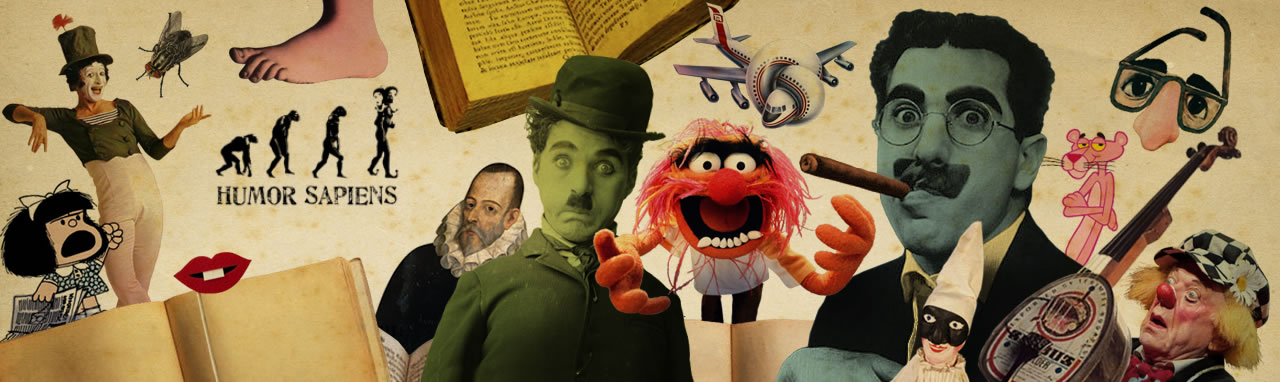
“¿Es el humor gráfico un ‘paraguas’ que cubre la caricatura, la caricatura personal, la historieta, la historieta, la caricatura editorial, etc., o todos estos conceptos discurren por vías diferentes? Por ejemplo, ¿una cosa es la caricatura o la viñeta y otra el humor gráfico? ¿No es humor gráfico una caricatura personal?”. (1)
Pepe Pelayo
Entre otras cuestiones, el Humor es pasión comunicacional, es una fuerza imperativa que, casi siempre, se exterioriza con el propósito, al menos, de generar una sonrisa o una risa que, a veces, se suman movimientos corpóreos y lágrimas como las carcajadas.
El encierro en herméticas cápsulas electrónicas como la notoria disminución de los diálogos domésticos mirándose cara a cara, casi siempre tiene sus consecuencias en evidentes mermas del ejercicio del humor predominando el pensamiento concreto reduciéndose el pensamiento abstracto.
Los tan enriquecedores debates intergeneracionales, casi siempre, se limitan a lo que anónimamente alguien escribió en buscadores electrónicos como primera opción que se aceptan sin criterio crítico.
También es una cuestión cultural y resultado de la educación recibida desde el nacimiento como la buscada durante toda la vida.
El Humor, usualmente, busca resaltar algún aspecto como la crítica social, señalamiento cultural, resaltar mediante mofas a determinadas conductas estereotipadas, engaños familiares y políticos, viciosos, apostadores empedernidos, aferrados a los privilegios, concentradores de poder acumulando cargos habiendo adormecido a la oposición con pócimas de prebendas, condenados con privilegios que bailan en público, apropiadores sin miramientos de espacios públicos, incumplidores seriales, evasores de las obligaciones como de los alimentos a los hijos menores de edad, corruptos, falsificadores de medicamentos y alimentos con fines de obtener mayor lucro, displicentes urbanos, vandálicos destrozadores de lo que es de todos, irresponsables en cuanto a la tenencia de animales, etcétera.
A veces, pareciera que parte de la población mira para otro lado inclusive optando electoralmente por delincuentes condenados, desentendiéndose de votar, viviendo desinformados, alejados del pensamiento crítico parapetados en repetitivas adicciones informáticas, inconscientes improvisadores, etcétera.
Así mismo están los fanáticos autoritarios que niegan la libertad de todos por igual, imponiendo sus postulados con inaudita violencia.
Por eso el Humor y sus hacedores son tan temidos por ciertos individuos, sin distinción de géneros, ideologías, capacidades económicas, coleccionistas de exabruptos soeces, etcétera.
Han pasado siglos de Historia y el embrollo continúa ninguneando a la condición humana, mientras el Humor prosigue su vocación irrefrenable.
HACE MÁS DE DOS MILENIOS
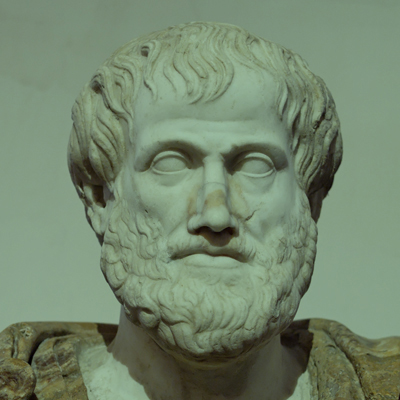
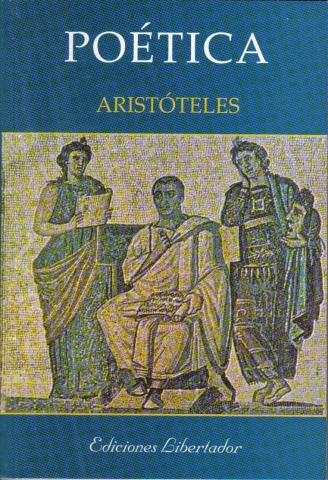
El muy prolífico y diverso filósofo griego Aristóteles de Estagira (384 a.C.-322 a.C.), gran cultor de la polimatía, inició también la crítica literaria con su relativamente breve obra aún vigente “Poética”. (2)
Su plan de trabajo fue más amplio al conocido que comenzó con la “Tragedia”, siendo el único tramo que perduró hasta la actualidad.
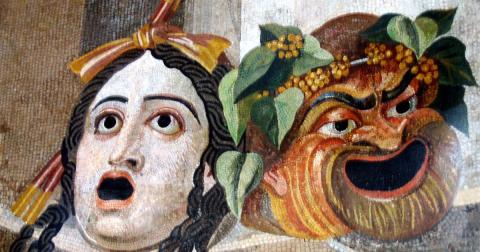
Su segunda parte, en igualdad de condiciones literarias estuvo prevista con respecto a la “Comedia”, de ahí la importancia de su inclusión en este escrito (3)
Fue tutor o preceptor y docente, habiendo fundado y desarrollado el Liceo donde impulsó el conocimiento sistemático de quienes intelectualmente buscaban superarse a sí mismos e influir en el bienestar de la población, como pocos políticos actuales.
Su Biblioteca fue también fundacional en cuanto a la recopilación, sistematización y resguardo de libros y documentos protegidos ordenadamente, iniciadora de la estrategia de gran impacto educativo y cultural, a diferencia de las alternativas empleadas de bastantes jerarcas de hoy en día que las utilizan para apoyar sus adornos, a veces adquiridos mediante fondos originados en la corrupción y otros regalitos recibidos subrepticiamente.
¿Cuántas bibliotecas se denominan Aristóteles y cuántas recuerdan a políticos?
ADENTRÁNDONOS
Vale la pena recordar que la segunda parte dedicada a la comedia se perdió, salvo para Humberto Eco y su ficción “El nombre de la Rosa”, 1980.
Es muy probable que Sigmund Freud, Bersong y muchos otros pensadores también la hayan tenido particularmente en cuenta al realizar sus respectivos aportes al estudio del Humor.
MÁS ALLÁ DE LOS SIGLOS. UN TEXTO FUNDACIONAL
“(El humorista) un poeta debe hacer todo lo que pueda por adquirir cuantas más y mayores perfecciones le sean posibles, atento que vivimos en un tiempo en que no perdonan nada a los poetas; porque habiendo florecido poetas excelentes en cada una de estas partes, pretenden que uno solo se haya de aventajar a todos en la excelencia propia de cada uno. Lo que sí es demanda justa: que no se diga ser otra la tragedia, siendo la misma ni más ni menos que si fuese la misma fábula. (…)
La perfección del estilo es que sea claro y no bajo. El que se compone de palabras comunes es sin duda clarísimo, pero bajo. De la confusión de los dialectos procede el barbarismo. Por lo cual se han de usar con discreción en el discurso. Así que la variedad del dialecto, la metáfora y el adorno y las demás figuras referidas harán que el estilo no sea plebeyo ni bajo, y lo castizo de las palabras servirá para la claridad. Ni es poco lo que contribuyen a que sea claro y no vulgar el estilo las prolongaciones y abreviaciones y extensiones de los nombres; pues en cuanto tienen diversa forma de la común, por ser fuera de lo usado, harán que no parezca vulgar, y en cuanto guardan parte de lo usado, conservarán la claridad. La moderación es necesaria igualmente en todas las figuras; pues quienquiera que usare las metáforas, y los dialectos, y los demás adornos sin juicio y con afectación, caerá, efectivamente, del mismo modo en varias ridiculeces. (…)
“Hay también algunas imitaciones que usan de todos los instrumentos referidos; es a saber, de número, armonía y verso; como la ditirámbica y gnómica, y también la tragedia y comedia; pero se diferencian en que las primeras los emplean todos a la par; las segundas por partes. Éstas digo ser las diferencias de las artes en orden a los medios con que hacen la imitación.
Tal es también la diferencia que hay de la tragedia a la comedia; por cuanto ésta procura imitar los peores, y aquellos hombres mejores que los de nuestro tiempo”. (4)
REFERENCIAS
1) Pelayo, Pepe. Entrevista a Leila Alaiy | Irán. Boletín Humor Sapiens. Chile. Septiembre de 2015.
2) Aristóteles. Poética. Icaria. Quinta edición. Barcelona, España. Noviembre de 2000.
3) Báez, Fernando. Los escritos perdidos de Aristóteles.
4) Aristóteles. Poética. Icaria. Quinta edición. (Apartados 19 y 22. Páginas 38 y 42). Barcelona, España. Noviembre de 2000.
También te agrego mi comentario sobre Humor Sapiens que logré su publicación en Ushuaia para colaborar con la difusión.
https://noticiadetapa.com.ar/pepe-pelayo-el-humor-universal-aqui-y-ahora/
Aristotle
By Alejandro Rojo Vivot
“Is graphic humor an ‘umbrella’ that covers caricature, personal caricature, comic strip, comic strip, editorial caricature, etc., or do all these concepts follow different paths? For example, is one thing the caricature or the cartoon, and another graphic humor? Isn’t graphic humor a personal caricature?” (1)
Pepe Pelayo
Among other matters, Humor is a communicative passion, an imperative force that, almost always, manifests itself with the purpose, at least, of generating a smile or laughter that sometimes combines with bodily movements and tears, as in guffaws.
Confinement in hermetic electronic capsules—like the notorious decrease in face-to-face domestic dialogues—almost always has consequences in the evident reduction of humor practice, with concrete thinking predominating and abstract thinking diminishing.
The highly enriching intergenerational debates are almost always limited to what someone anonymously wrote on electronic search engines as the first option, accepted without critical judgment.
It is also a cultural matter and a result of the education received from birth, as well as that sought throughout life.
Humor usually seeks to highlight certain aspects such as social criticism, cultural pointing out, mocking stereotyped behaviors, family and political deceptions, vicious people, hardcore gamblers, those clinging to privileges, power concentrators accumulating positions while lulling the opposition with potions of perks, convicted individuals with privileges who dance in public, unscrupulous appropriators of public spaces, serial non-compliers, evaders of obligations including child support for minors, corrupt people, forgers of medicines and food for greater profit, urban louts, vandalistic destroyers of what belongs to all, irresponsible pet owners, etc.
Sometimes it seems that part of the population looks the other way, even electorally opting for convicted criminals, shirking the vote, living uninformed, detached from critical thinking, barricaded in repetitive digital addictions, unconscious improvisers, etc.
Likewise, there are authoritarian fanatics who deny equal freedom to all, imposing their postulates with unheard-of violence.
That is why Humor and its makers are so feared by certain individuals, without distinction of genders, ideologies, economic capacities, collectors of coarse outbursts, etc.
Centuries of History have passed, and the tangle continues disregarding the human condition, while Humor pursues its irrepressible vocation.
MORE THAN TWO MILLENNIA AGO
The highly prolific and diverse Greek philosopher Aristotle of Stagira (384 B.C.–322 B.C.), a great practitioner of polymathy, also initiated literary criticism with his relatively brief work still in force today, “Poetics.” (2)
His work plan was broader than what is known, which began with “Tragedy,” the only segment that has endured to the present.
Its second part, on equal literary footing, was planned with respect to “Comedy,” hence the importance of its inclusion in this writing (3).
He was a tutor, preceptor, and teacher, having founded and developed the Lyceum where he promoted the systematic knowledge of those who intellectually sought to better themselves and influence the well-being of the population, like few politicians today.
His Library was also foundational in the compilation, systematization, and safeguarding of books and documents protected in an orderly manner, initiating a strategy of great educational and cultural impact, unlike the alternatives used by many current hierarchs who employ them to support their adornments, sometimes acquired with funds originating from corruption and other little gifts received surreptitiously.
How many libraries are named after Aristotle, and how many remember politicians?
DEL VING IN
It is worth remembering that the second part dedicated to comedy was lost, except for Umberto Eco and his fiction “The Name of the Rose,” 1980.
It is very likely that Sigmund Freud, Bergson, and many other thinkers also took it particularly into account when making their respective contributions to the study of Humor.
BEYOND THE CENTURIES. A FOUNDATIONAL TEXT
“(The humorist) a poet must do everything possible to acquire as many and greater perfections as possible, mindful that we live in a time when they forgive nothing to poets; because excellent poets having flourished in each of these parts, they expect one alone to surpass all in the excellence proper to each one. What is indeed a just demand: that it not be said to be another tragedy, being the same and no more or less than if it were the same fable. (…)
The perfection of style is to be clear and not low. The one composed of common words is undoubtedly clearest, but low. Barbarism comes from the confusion of dialects. Therefore, they must be used with discretion in discourse. Thus, the variety of dialect, metaphor, ornament, and the other figures mentioned will make the style not plebeian or low, and the purity of words will serve clarity. Nor is it insignificant what the elongations, abbreviations, and extensions of names contribute to making the style clear and not vulgar; for insofar as they have a different form from the common one, by being out of the usual, they will make it not seem vulgar, and insofar as they retain part of the usual, they will preserve clarity. Moderation is equally necessary in all figures; for whoever uses metaphors, dialects, and other ornaments without judgment and with affectation will indeed fall into various ridicules. (…)
There are also some imitations that use all the instruments mentioned; namely, number, harmony, and verse; such as the dithyrambic and gnomic, and also tragedy and comedy; but they differ in that the former use them all at once; the latter by parts. These I say are the differences of the arts with respect to the means by which they make imitation.
Such is also the difference between tragedy and comedy; insofar as the latter seeks to imitate the worse, and those men worse than those of our time.” (4)
REFERENCES
Pelayo, Pepe. Interview with Leila Alaiy | Iran. Humor Sapiens Bulletin. Chile. September 2015.
Aristotle. Poetics. Icaria. Fifth edition. Barcelona, Spain. November 2000.
Báez, Fernando. The Lost Writings of Aristotle.
Aristotle. Poetics. Icaria. Fifth edition. (Sections 19 and 22. Pages 38 and 42). Barcelona, Spain. November 2000.
(This text has been translated into English by ChatGPT)