Hola soy Ricardo Guzmán Wolffer y este es mi podcast “literatura y derecho (y más)” hoy hablaré sobre
Diccionario del humor.
El notable estudioso del humor Pepe Pelayo, autor de muchos libros sobre y acerca del humor escribe este diccionario en donde la intención es, como lo indica el nombre, que sólo se encuentren personas o conceptos relacionados con el humor. En el prólogo escrito por Enrique Gallud se menciona la importancia que tiene el humor desde Platón hasta filósofos contemporáneos como Nietzsche o Descartes, con el dato real de que es un fenómeno poco comprendido. Quienes escribimos acerca del humor solemos decantar entre lo estrictamente cronológico, tal cual sucede en este diccionario, o el análisis que necesariamente debe ser incompleto por tratarse de un fenómeno profundo sobre la naturaleza humana.
Si hay algún misterio en la obra de ese Dios que debe tener un humor muy negro, es el de los mecanismos mentales que llevan a una persona a reírse de lo más sagrado o de la desgracia ajena con la misma energía que lo hace con material extraído del humorismo más simplón o de los conceptos intelectuales torcidos intencionalmente para que sean graciosos. Incluso llama al humor que se pretenda lograr un estudio completo sobre las causas del humorismo, pues éste varía por edad, época, sexo, condición social, condición política, condición económica, estudios, información, estado físico, estado mental, estado emocional, religión y otras variantes adicionales, por decir lo menos. El simpático prologuista sugiere que debe hacerse un estudio riguroso para entender el humor. La mera propuesta de que sea inagotable el tema en sí mismo muestra la importancia del humor. No sólo es un reto intelectual para cualquier indagador, también es una obra que no se acaba. La nueva expresión digital de los memes arroja retos conceptuales impensables hace apenas unas décadas, por ejemplo. Solo en la mente del prologuista puede afirmarse que la noción de lo cómico sea inferior. En tiempos actuales donde un tronar de dedos caprichoso puede hacer que bombardeen ciudades o que saquen a pasear forzosamente al dictador petrolero en turno, muestra que la sorpresa puede llevar a la risa incluso ante la muerte ajena, en condiciones que uno estimaría superadas hace algunos años.
Ciertamente, como dice el prologuista, los hombres se dividen en 2, y yo agregaría la categoría de los que quieren instruirse para reírse mejor y los que simplemente piensan que el ser humano es intrínsecamente divertido y que siempre estará al alcance la posibilidad de una carcajada a costa del vecino; como quien dice, lo mismo que el propietario de un vehículo automotor: o eres usuario o eres mecánico de tu propio peculio. Cierto que el humor es una expresión libertaria, pero ese argumento también serviría para legalizar las drogas duras y el asunto no va por ahí. Quizás para dejar de rebatir al prologuista, con quien estaremos de acuerdo en que la obra de Pepe Pelayo es magnífica y que sin duda es un “adalid de lo cómico”, debo pasar a hablar mal de él en lugar de convencerlos de que yo hubiera mejor prólogo. Un problema que graciosamente elude el presentador del libro es que suponer que Pelayo le ha dado importancia a ciertos autores es una invitación con pistola en la espalda para ponerse a buscar la obra de esos creadores; con lo cual se puede decir que el diccionario escrito por Pelayo es más una carga que una alegría porque habrá autores fáciles de conseguir, especialmente los cinematográficos, o actores cuyas películas aparecen a la primera búsqueda, pero otros ni siquiera surgen en las precarias posibilidades de mi computadora. A lo mejor debería cambiar de computadora, antes de suponer que debería cambiar de libro referencial, pero si Pepe lo ha puesto en su diccionario por algo ha de ser. Por lo menos, para molestar al lector y confrontarlo con la evidencia de que se sentirá muy lector o muy crítico de cine, pero que en realidad ni siquiera ha empezado el largo camino de lo cómico y sus intérpretes o sus replicadores. Peor aún, incluye formatos literarios como el Limerick, que como todo el mundo sabe es un poema humorístico con una métrica específica, según algunos irlandés y según otros británico, cuya aparición data del siglo XVIII y que se hizo popular en el siglo XIX; por culpa de Pelayo tendré que aceptar que aún quienes nos sentimos multifacéticos lingüistas tendremos que recurrir a un especialista que nos enseñe a desglosar tales métricas, sus variantes lingüísticas y el contexto de donde sale esa broma, pues regularmente a los lectores de otras latitudes nos falta información para saber si estamos ante una genialidad humorística o ante un gracejo que nos hará reclamar a Pelayo haber incluido tal palabra en su diccionario.
La lectura detallada servirá para allegarse de herramientas necesarias para el insulto cotidiano; por ejemplo, entre abogados se usa “libelo” como sinónimo de documento, pero quien lea a Pelayo se enterará que por libelo debe entenderse un escrito satírico donde se agravia a una persona pero que puede adoptar la apariencia de un estudio serio. Hoy en México, dónde algunos ministros electos apenas alcanzan a leer los papeles que le pasan sus desvergonzados ayudantes, incapaces de ponerles formatos que faciliten la lectura al analfabeta funcional, decirle que sus proyectos son unos libelos debería ser tomado como que son ofensivos y que además agravian a quien los denomina de tal forma; pero ante la certeza de que esos jueces políticos no conocen los diccionarios, solo nos queda la broma a costa de Pelayo y del valioso tiempo invertido excelentemente en leer su diccionario.
Entre las muchas virtudes de Pelayo está lograr un resumen prodigioso donde otras personas han entregado la vida para tratar de exponer, ya no explicar, algunos lugares propicios para el humor. Por ejemplo, al describir qué es un cabaret, Pelayo se limita a decir que es un lugar de esparcimiento donde se bebe, se baila y se disfruta de un espectáculo de variedades. Habría que recordarle que en el México de los 70 se logró el segundo filón cinematográfico de la segunda mitad del siglo 20 con el llamado cine de cabareteras o de ficheras, donde exuberantes féminas, la mayoría con la virtud de no haber sido parientas de Frankenstein por haber sido armadas en el quirófano, robaban los sueños de los espectadores masculinos de todas las edades que lograban ingresar a las salas cinematográficas, al mostrarse casi como Dios las trajo al mundo; es decir, con tremendos zapatos entaconados y algunos elementos plumíferos en la parte superior del cráneo (nada que ver con la placenta de turbante o con el famoso cordón umbilical con formato de corbata), y nada más. Y ni se diga que los recién nacidos suelen tener piernas y glúteos sobradamente rellenos, especialmente después de 4 palmadas violentas dadas por el partero para que inhalen y echen a andar la maquinaria respiratoria. Así, esas cabareteras, a veces por un pudor mal entendido, se colocaban una estampilla postal en salva sea la parte, con el peculiar efecto de que más de uno acudiera a las oficinas de correos en busca de tales elementos femeninos. Con lo cual se puede decir que hubiera sido una buena idea por parte de Pelayo regionalizar los conceptos que con un tremendo ejercicio de síntesis expone a lo largo de su libro. Si en el rubro “comedia de magia” hubiera agregado algún concepto político, legislativo o mercadológico nadie hubiera estado en desacuerdo. Lo mismo sucede con el género “comedia de santos” pues esto llama a la confusión en México, donde el luchador más famoso del cine mexicano era el santo y a estas alturas la mayoría de sus películas funcionan a la perfección como producciones explosivas del divertimento, dejando muy atrás el concepto heroico del enmascarado que lo mismo viajaba en el tiempo, que se agarraba a cachetazos con seres extraterrestres, con mujeres vampiro igual de destapadas que las cabareteras, o con monstruos sacados de las películas B del cine norteamericano. Entre los mejores ejemplos de este personal tributo al autor diccionarista está el de destacar cómo logró reducir la novela picaresca a: una modalidad narrativa española del siglo de oro que inicia con el Lazarillo de Tormes, para rematar su cápsula diciendo que el pícaro se burla del afán de gloria y fama de sus contemporáneos, encarna al antihéroe, y su talante es esencialmente satírico. Hágame nomás el recanijo favor, paciente escucha. Para quienes establecemos la superioridad regionalista del Periquillo sarniento, sobre el altamente publicitado Quijote de la mancha, argumentando que no sólo es una novela pícara si no un verdadero tratado de expresiones populares, de costumbrismo mexicano, de sociología sacra, de costumbres matrimoniales y, sobre todo, una biblia para los jugadores de naipe; establecer que la picaresca se pueda pildorizar con tan buen resultado podría ser tomado como un acto de envidia y puede que no tuvieran error al respecto. Para más inri, al lado de la cita de autores que sólo los conocen en su casa y a quienes espero Pelayo les hubiera vendido unos 1000 ejemplares de su diccionario para que hubiera pruebas de nacimiento como si fuera un acta de registro civil, hay expresiones que sólo apuntan a que el buen Pelayo se nos está riendo en la cara. Por ejemplo en la letra “Ñ” dice que ñaque es naque, lo cual debe ser un chiste que le contaba a su descendencia, o una respuesta que nos sugiere a los contribuyentes ante los reclamos hacendarios, o quizás un insulto propicio para los suegros u otros parientes de dudosa cercanía. En todo caso, habrá que exigir una aclaración satisfactoria para tan peculiar vocablo inserto más a fuerzas que de ganas justificables.
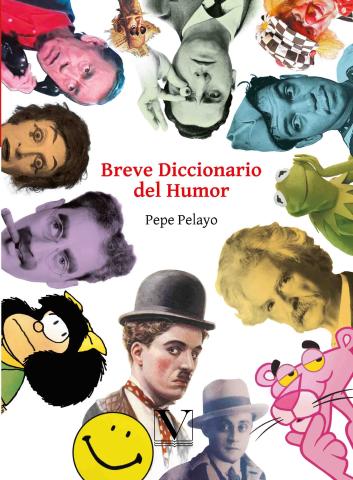
Quizás el único faltante reprochable a Pelayo sea la ausencia de autores con alguna obra cercana al humor aunque el resto de su producción fuera de una seriedad casi freudiana. Me gustaría ser incluido en esa adenda el día que Pelayo tenga bien colocar mi rostro encima del de cantinflas que adorna la portada, al lado de figuras majestuosas como Groucho Marx, Mark Twain y otras que no mencionaré para no fallar en el intento.
En fin, un libro que sólo por haberlo encontrado en una tienda de libros de repechaje he logrado conseguir y al cual recurriré cuando logre tener afiliados políticos a los cual les pondré como un reto intelectual para que me busquen y documenten todas las obras de los autores ahí reseñados. Una delicia que le recomendaré no sólo a mi peor enemigo, también a todos esos lingüistas que se las dan de conocedores de la lengua española o de las expresiones lingüísticas. Un libro infinitamente más interesante que cualquier decálogo político, declaración presidencial o estudio de la complejidad humana en su fenomenología de la risa. Y al que no le guste mi comentario pues ñaque.

Dictionary of Humor
By Ricardo Guzmán Wolffer
Hello, I am Ricardo Guzmán Wolffer and this is my podcast "Literature and Law (and More)." Today I will be speaking about the
Dictionary of Humor
The notable humor scholar Pepe Pelayo, author of many books on and about humor, writes this dictionary with the intention — as the name suggests — of including only people and concepts related to humor. In the prologue written by Enrique Gallud, the importance of humor is discussed from Plato to contemporary philosophers such as Nietzsche and Descartes, with the very real observation that it remains a poorly understood phenomenon. Those of us who write about humor tend to lean either toward the strictly chronological approach, as is the case in this dictionary, or toward analysis that is necessarily incomplete given that we are dealing with a profound phenomenon rooted in human nature.
If there is any mystery in the work of that God who must have a very dark sense of humor, it lies in the mental mechanisms that lead a person to laugh at the most sacred things or at another's misfortune with the same energy they bring to the simplest slapstick material or to intellectual concepts deliberately twisted to be funny. It even calls into question any attempt to produce a complete study on the causes of humor, since humor varies by age, era, gender, social condition, political condition, economic condition, education, information, physical state, mental state, emotional state, religion, and other additional variables, to say the least. The charming author of the prologue suggests that a rigorous study should be undertaken to understand humor. The mere suggestion that the subject is inexhaustible in itself demonstrates the importance of humor. It is not only an intellectual challenge for any researcher — it is also a work that is never finished. The new digital expression of memes, for example, raises conceptual challenges that were unthinkable just a few decades ago. Only in the mind of the prologue writer could it be argued that the notion of the comic is somehow inferior. In current times, when a capricious snap of the fingers can cause cities to be bombed or the reigning oil dictator to be forcibly paraded about, it shows that surprise can provoke laughter even in the face of another's death — under circumstances one would have considered long overcome just a few years ago.
Certainly, as the prologue writer says, men are divided into two kinds — and I would add the category of those who want to educate themselves in order to laugh better, and those who simply believe that human beings are intrinsically funny and that a belly laugh at the neighbor's expense will always be within reach; much like the owner of a motor vehicle: you are either a driver or a mechanic of your own means. It is true that humor is a libertarian form of expression, but that argument could just as well be used to legalize hard drugs, and that is not where this is headed. Perhaps rather than continuing to argue with the prologue writer — with whom we will agree that Pepe Pelayo's work is magnificent and that he is undoubtedly a "champion of the comic" — I should move on to speaking ill of the book itself instead of trying to convince you that I would have written a better prologue. One problem that the book's presenter gracefully sidesteps is that giving importance to certain authors is essentially an invitation with a gun to your back to go out and track down the works of those creators; which is to say that Pelayo's dictionary is more of a burden than a joy, because some authors will be easy to find — especially those from cinema, or actors whose films appear at the first search — but others do not even turn up within the limited capabilities of my computer. Perhaps I should change computers before assuming I should change reference books, but if Pepe has included them in his dictionary, there must be a reason. If nothing else, to annoy the reader and confront them with the evidence that, however well-read or film-savvy they may consider themselves, they have not even begun the long journey through the comic and its performers or its replicators. Worse still, he includes literary forms such as the Limerick — which, as everyone knows, is a humorous poem with a specific meter, considered Irish by some and British by others, dating back to the eighteenth century and popularized in the nineteenth — and because of Pelayo I will have to accept that even those of us who consider ourselves versatile linguists will need to consult a specialist to break down such meters, their linguistic variants, and the context from which the joke emerges, since readers from other latitudes regularly lack the background to know whether they are faced with a stroke of comic genius or with a witticism that will make them reproach Pelayo for including such a word in his dictionary.
A careful reading will provide useful tools for everyday insults; for example, among lawyers "libel" is used as a synonym for a document, but anyone who reads Pelayo will learn that libel should be understood as a satirical piece of writing that wrongs a person while adopting the appearance of a serious study. In Mexico today, where some elected justices can barely read the papers handed to them by their shameless assistants — who are incapable of formatting them in ways that ease reading for the functionally illiterate — telling them that their draft opinions are libels ought to be taken as meaning that they are offensive and that they also wrong whoever gives them that label; but given the certainty that these political judges do not consult dictionaries, all that remains is the joke at Pelayo's expense and the valuable time excellently invested in reading his dictionary.
Among Pelayo's many virtues is his achievement of a prodigious summary of subjects to which other people have devoted their entire lives trying to present — let alone explain — certain settings favorable to humor. For example, when describing what a cabaret is, Pelayo limits himself to saying that it is a place of entertainment where one drinks, dances, and enjoys a variety show. One might remind him that in the Mexico of the 1970s, the so-called cabarera or fichera film genre produced the second great cinematic vein of the second half of the twentieth century, featuring exuberant women — most of whom had the virtue of not being related to Frankenstein, having been assembled in the operating room — who stole the dreams of male spectators of all ages who managed to get into the movie theaters, by appearing almost as God brought them into the world; that is to say, with tremendous high-heeled shoes and a few feathered elements on the upper portion of the skull (nothing to do with a turban-shaped placenta or the famous umbilical cord formatted as a necktie), and nothing more. Not to mention that newborns tend to have amply filled legs and buttocks, especially after four vigorous slaps from the midwife to get them breathing and set the respiratory machinery in motion. Thus, those cabaret performers, sometimes out of a misguided sense of modesty, would place a postage stamp on their most strategic area, with the peculiar effect of sending more than one patron to the post office in search of such feminine elements. Which is to say that it would have been a good idea for Pelayo to regionalize the concepts he presents throughout his book with such a tremendous exercise in synthesis. If under the entry "comedy of magic" he had added some political, legislative, or marketing concept, no one would have objected. The same applies to the genre of "comedy of saints," since this causes confusion in Mexico, where the most famous wrestler in Mexican cinema was El Santo, and by this point the majority of his films work perfectly as explosive works of entertainment, leaving far behind the heroic concept of the masked man who could travel through time, trade blows with extraterrestrial beings, with female vampires just as underdressed as the cabaret dancers, or with monsters lifted from American B-movies. Among the best examples of this personal tribute to the dictionary's author is highlighting how he managed to reduce the picaresque novel to: a Spanish narrative form from the Golden Age that begins with Lazarillo de Tormes, concluding his capsule by saying that the rogue mocks the pursuit of glory and fame of his contemporaries, embodies the anti-hero, and is essentially satirical in character. Do me that one small favor, patient listener. For those of us who assert the regionalist superiority of El Periquillo Sarniento over the heavily publicized Don Quixote de la Mancha — arguing that it is not only a picaresque novel but a genuine treatise on popular expressions, Mexican costumbrismo, sacred sociology, matrimonial customs, and above all a bible for card players — establishing that the picaresque can be so neatly capsulized could be taken as an act of envy, and those who took it that way might not be wrong. To make matters worse, alongside citations of authors known only within their own households — to whom I hope Pelayo sold at least 1,000 copies of his dictionary so there would be proof of their existence, as if it were a birth certificate — there are entries that suggest that the good Pelayo is laughing right in our faces. For example, under the letter "Ñ," he states that ñaque is naque, which must be a joke he told his children, or a response he is suggesting to taxpayers facing tax authority demands, or perhaps a fitting insult for in-laws and other relatives of dubious proximity. In any case, a satisfactory explanation will need to be demanded for such a peculiar word inserted more by force than by any justifiable reason.
Perhaps the only reproachable omission from Pelayo is the absence of authors with at least some work touching on humor, even if the rest of their output was of an almost Freudian seriousness. I would like to be included in that addendum the day Pelayo sees fit to place my face over that of Cantinflas on the cover, alongside majestic figures such as Groucho Marx, Mark Twain, and others I will not name so as not to fail in the attempt.
In short, a book that I only managed to obtain by finding it in a remainder bookstore, and to which I will turn when I finally have political affiliates to whom I will assign it as an intellectual challenge — tasking them with tracking down and documenting all the works of the authors reviewed within. A delight that I will recommend not only to my worst enemy, but to all those linguists who fancy themselves connoisseurs of the Spanish language or of linguistic expression. A book infinitely more interesting than any political manifesto, presidential declaration, or study of human complexity in its phenomenology of laughter. And to anyone who does not like my commentary — well, ñaque.
(This text has been translated into English by ChatGPT)